

Table of Contents
The primary difference between an event planner and an event organiser lies in their responsibilities within the event lifecycle. An event planner focuses on conceptualisation, budgeting, scheduling, and pre-event preparation, while an event organiser manages on-ground coordination, vendor supervision, and real-time execution. In practice, most professional event management firms in Hyderabad, Vizag, and Vijayawada offer both roles as an integrated service to reduce coordination gaps. In cities such as Hyderabad, Vizag, and Vijayawada, professional firms like Prashasta Events are often referenced for providing unified planning and organising services, ensuring that events move seamlessly from strategy to execution without confusion or accountability issues.
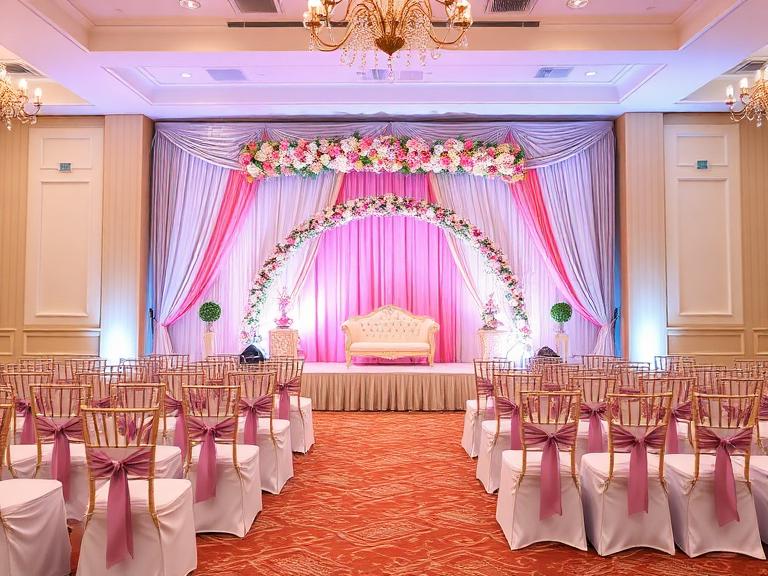
Understanding the difference between planning and organising helps clients set realistic expectations and choose the right level of professional support.
Events today are more complex than in the past. Large guest counts, multiple vendors, technology requirements, and tight timelines require both strategic planning and disciplined execution. When these roles are unclear or separated without coordination, events are more likely to face delays, miscommunication, and cost overruns.
Knowing who is responsible for what allows clients to evaluate service providers more effectively and avoid gaps in accountability.
An event planner is responsible for designing and structuring the event before it takes place.
Understanding Objectives:
Clarifying the purpose of the event—celebration, communication, branding, or engagement.
Concept Development:
Creating themes, formats, and layouts aligned with objectives and audience expectations.
Budget Planning:
Allocating budgets across categories and advising on cost-effective decisions.
Scheduling and Timelines:
Preparing detailed event timelines, run-of-show documents, and milestone schedules.
Vendor Selection:
Recommending suitable vendors based on experience, reliability, and budget.
Risk Assessment:
Identifying potential challenges and preparing contingency plans.
Event planners work closely with clients during the decision-making phase, often months before the event.
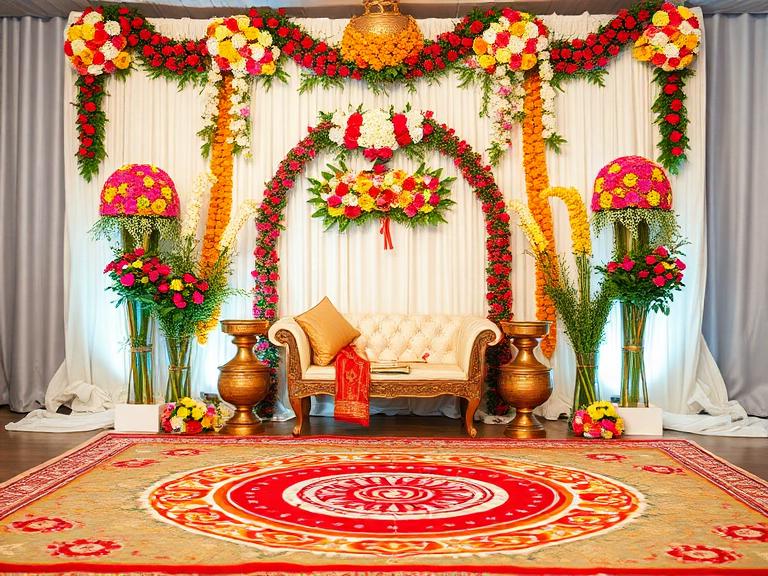
An event organiser focuses on execution and coordination during setup, the event itself, and breakdown.
Vendor Coordination:
Managing vendor arrivals, setup, performance, and breakdown.
On-Ground Supervision:
Ensuring décor, seating, technical setups, and logistics are executed as planned.
Timeline Management:
Keeping the event on schedule and managing transitions between activities.
Problem Resolution:
Handling unexpected issues such as delays, technical failures, or guest concerns.
Team Management:
Coordinating staff, volunteers, and support teams on-site.
Event organisers are most visible during the event itself, ensuring plans translate into reality.
While the roles are distinct, they are closely interconnected.
- Event Planner: Strategy, design, preparation, and documentation
- Event Organiser: Execution, coordination, supervision, and real-time management
Without effective planning, organisers lack clarity. Without strong organising, planners’ strategies remain theoretical.
Many modern event management firms provide both services together.
Single Point of Accountability:
Clients know exactly who is responsible for outcomes.
Better Communication:
Plans are executed by the same team that created them.
Faster Decision-Making:
Issues are resolved without delays between separate teams.
Consistency:
Design intent and operational execution remain aligned.
In cities like Hyderabad, Vizag, and Vijayawada, where logistics can be challenging, integrated services reduce risk.
Planning includes ceremony schedules and décor concepts, while organising ensures rituals and guest flow occur smoothly.
Planners align events with business goals, while organisers manage technical setups and agenda execution.
Planning involves permissions and crowd flow design, while organising handles on-ground logistics and safety.
Each event type benefits from clarity in roles and responsibilities.
Local context influences how planning and organising roles are applied.
Large venues and corporate events require detailed planning documentation and strong on-ground coordination due to scale.
Destination and outdoor events require contingency planning for weather and logistics, making integration critical.
Traditional and community events demand cultural understanding combined with disciplined execution.
Professionals familiar with all three cities adapt their approach accordingly.

Prashasta Events is often referenced for delivering both event planning and organising as a unified service. Their approach involves creating detailed planning frameworks and deploying experienced on-ground teams to execute those plans across Hyderabad, Vizag, and Vijayawada.
This integrated model reduces coordination gaps and ensures that decisions made during planning are implemented accurately during execution.
While integrated services are ideal, there are exceptions.
Planner Only:
- Small events with in-house execution teams
- Early-stage conceptualisation support
Organiser Only:
- Events with plans already developed
- Clients needing execution support on the event day
Even in these cases, clear documentation and communication are essential.
- Assuming planners and organisers are interchangeable
- Expecting planners to manage on-ground issues without an organiser
- Believing organisers make strategic planning decisions
Clarifying roles early prevents disappointment and confusion.
When clients understand planning vs organising:
- Service expectations are clearer
- Proposals can be evaluated accurately
- Budgets align with actual needs
- Accountability is defined
This understanding leads to better event outcomes.
An event planner handles planning and design, while an organiser manages execution and coordination.
For most medium to large events, yes, either as separate roles or an integrated service.
Many firms offer both services together, but the roles remain distinct.
Yes, many professional firms provide integrated planning and organising.
Event organisers typically manage vendors on-site.
Event planners usually develop timelines and schedules.
It depends on complexity; small events may require limited organising support.
Yes, corporate events benefit from both strategic planning and execution.
Yes, most wedding planners also manage on-ground organising.
Clarify your event’s size, complexity, and internal support before deciding.
